
IoT 2026: From Smart Homes to Smart Factories, How Connectivity Is Transforming Business Operations
With more than 21 billion devices actively connected worldwide, IoT is no longer an experimental technology — it has become the foundation of automated decision-making in manufacturing, logistics, and even households.
Global Internet of Things (IoT) growth has reached an enormous scale: 21.1 billion active device connections, with a market value exceeding USD 1.3 trillion. The IoT market itself is projected to reach USD 273.6 billion in 2026 and is expected to surpass USD 1 trillion before 2030, growing at around 13.2% per year — consistent growth across a wide range of industry sectors.
In the household segment, the smart home market grew from USD 147.5 billion in 2025 to USD 180.1 billion in 2026, an increase of around 22% in a single year. In the United States alone, some 77 million households (roughly 51% of all households) already actively use smart home devices, with an average of 2-4 connected devices per home — from smart access control and CCTV to smart lighting.
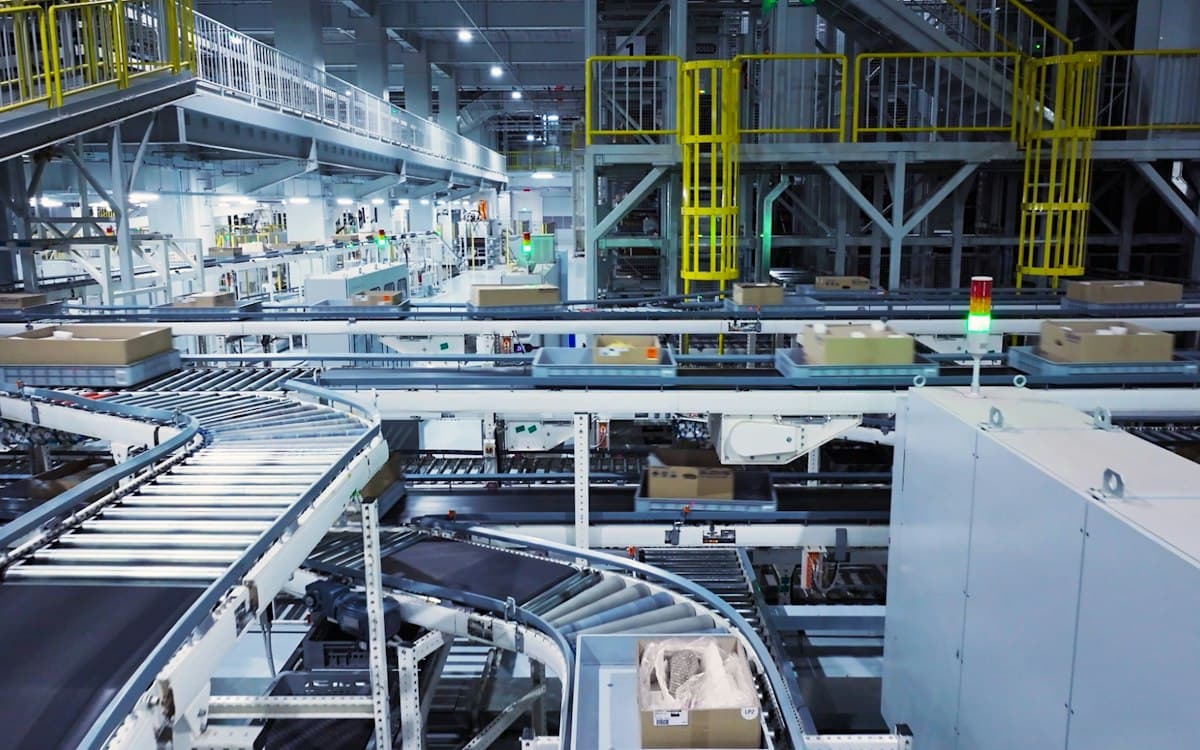
Yet the most significant impact of IoT is actually happening in the industrial sector. Manufacturing leads IoT adoption with 34% of all implementations across sectors, and 46% of manufacturing companies now integrate IoT directly into their production operations — from production line automation to real-time asset tracking to minimize downtime and waste.
The transportation and logistics sector is not far behind: 72% of fleet systems now use IoT, with a primary focus on route optimization and real-time vehicle diagnostics. In fact, logistics and transportation has become one of the fastest-growing areas of Industrial IoT, with a compound annual growth rate (CAGR) of 25.6%.
The pattern emerging from this data is clear: IoT delivers the most value not when it is installed as individual gadgets, but when it is designed as a single interconnected ecosystem — from smart homes for security and comfort, to smart factories for production efficiency, to smart mobility for logistics optimization. Companies that design their IoT implementation systematically, rather than piecemeal, are the ones that will reap the greatest efficiency gains.