
Data Analytics & AI in Business Decision-Making: Big Opportunities, Real Challenges in 2026
88% of organizations now use AI in their operations, but more than a third of them still apply it only superficially — it is this gap between adoption and real impact that needs to be bridged.
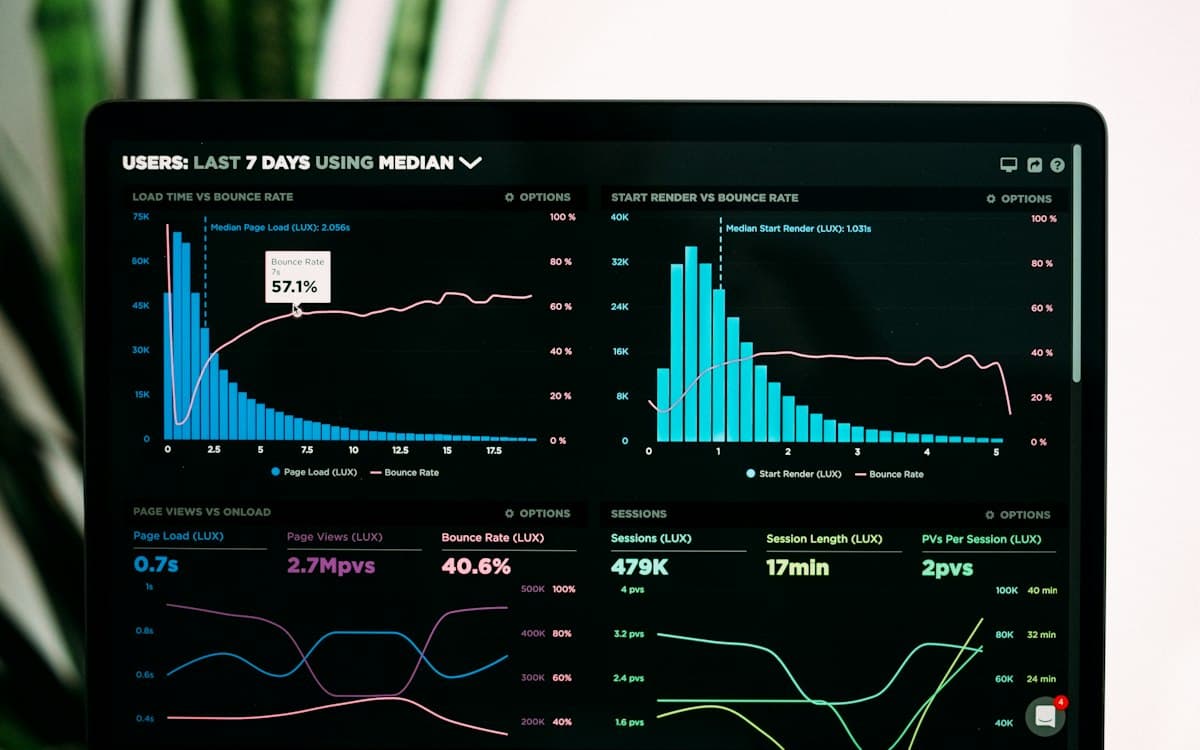
AI adoption in business analytics is growing very quickly. Recent research shows that nearly 90% of organizations now use AI in at least one business function, with the market for AI in data analytics projected to grow from around USD 30.8 billion in 2025 to nearly USD 39.7 billion in 2026 — growth that reflects just how crucial the ability to turn data into insight is for business competitiveness.
However, high adoption rates do not always mean high impact. The same survey found that 37% of organizations that 'use AI' have in fact only applied it superficially, without any meaningful change to their business processes. In fact, 56% of CEOs report having seen no measurable ROI from their AI investments in the past 12 months, and only around 20% of organizations actually report revenue growth thanks to AI.
One of the root causes is data quality. 52% of businesses cite data quality and availability as the biggest barrier to AI adoption, while a lack of in-house expertise is the main obstacle for the majority of companies — from small businesses (70.9%) and mid-sized businesses (69.2%) to even large enterprises (65.1%). In other words, the biggest challenge lies not in AI technology itself, but in the data foundation and the organization's readiness to make use of it.
This explains why dashboards and data visualization alone are not enough. Effective business intelligence requires a combination of three things: clean and trustworthy data, predictive analytics capabilities to read trends and customer behavior patterns, and AI model development (from computer vision to natural language processing) that is genuinely designed to solve concrete business problems.
For companies that want to truly feel the impact of data analytics and AI — rather than simply following a trend — investing in a well-organized data foundation and partnering with a team that understands end-to-end implementation matter far more to the final outcome than simply buying the most advanced AI tools on the market.